
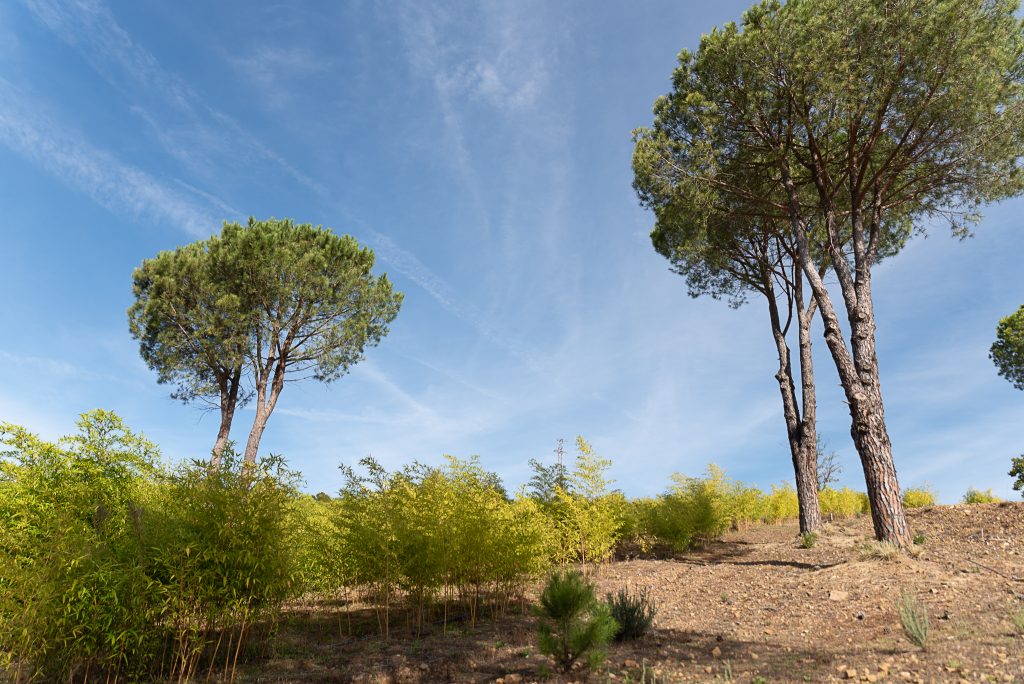
I settori in cui il bambù è maggiormente utilizzato interessano:
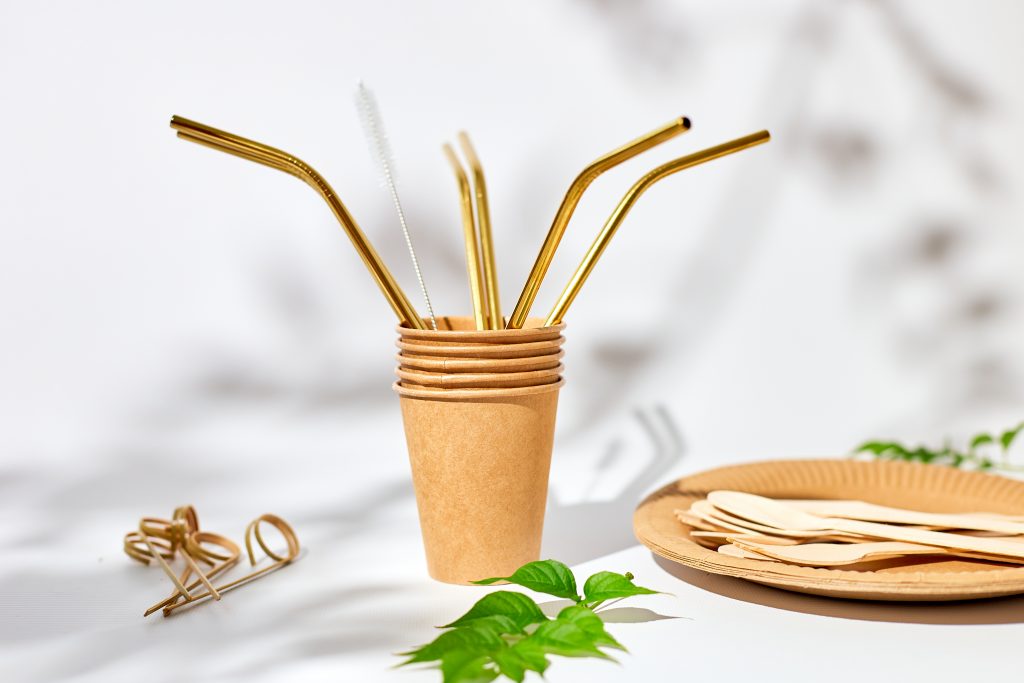
Investire nel bambù si sta rivelando una scelta vincente per molte aziende. Secondo Mauro Lajo, il vicepresidente di Forever Bambù, questa pianta può essere un valido alleato dell’Unione Europea nella lotta all’inquinamento dalle plastiche.
Il bambù, inoltre, è una risorsa che piò portare lavoro e ricchezza nelle naziuoni in cui è raccolto o lavorato. La pianta, dopo essere stata tagliata, deperisce subito. Per questo il processo di trasformazione e lavorazione deve avvenire in loco portando, in tal modo, benefici all’economia locale.
Questa pianta, oltretutto, non ha bisogno di cure particolari per crescere e la sua coltivazione migliora la qualità delle acque sotterranee.
Il bambù, infatti, può diventare un impianto naturale per fitodepurazione.
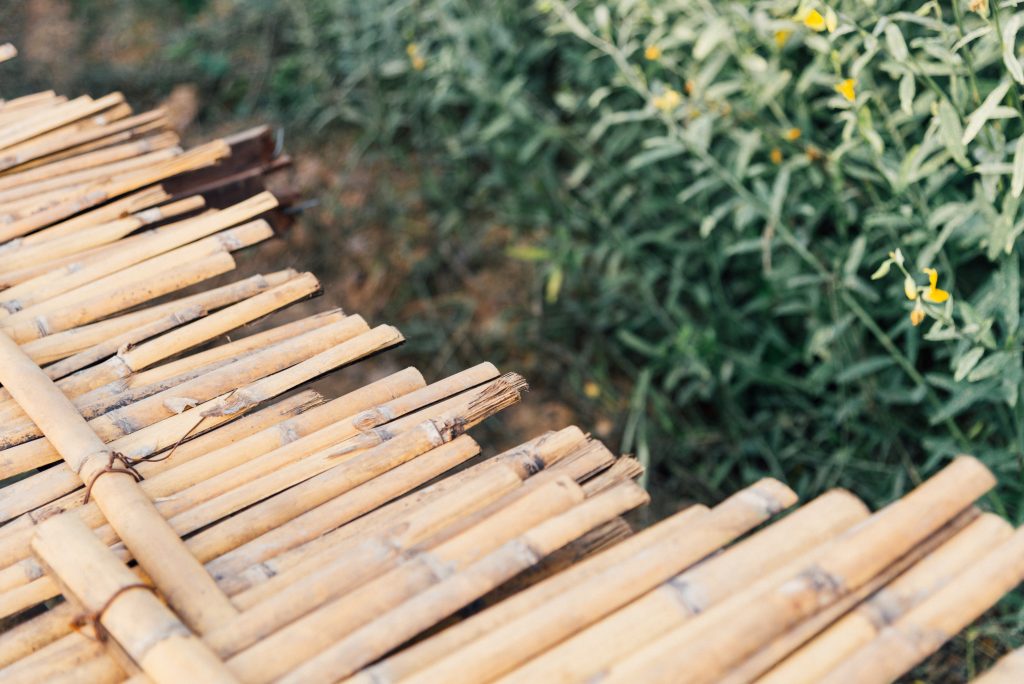
I colori, le dimensioni e le particolarità del bambù lo rendono un elemento che può essere utilizzato in ambito turistico.
Soprattutto all’estero il bambù è concepito come attrattore turistico. Infatti tra le foreste di bambù che maggiormente incuriosiscono i turisti troviamo: la Foresta di Bambù di Arashiyama (o di Sagano) a Kyoto, la Foresta di Bambù di Shunan in Cina, la Nanshan Zhuhai in Cina, la Grand National Bamboo Forest in Cina, il Boschetto di Hokokuji in Giappone, il Bosco di bambù di Penglipuran in Indonesia, la Bambouseraie de Prafrance in Francia.
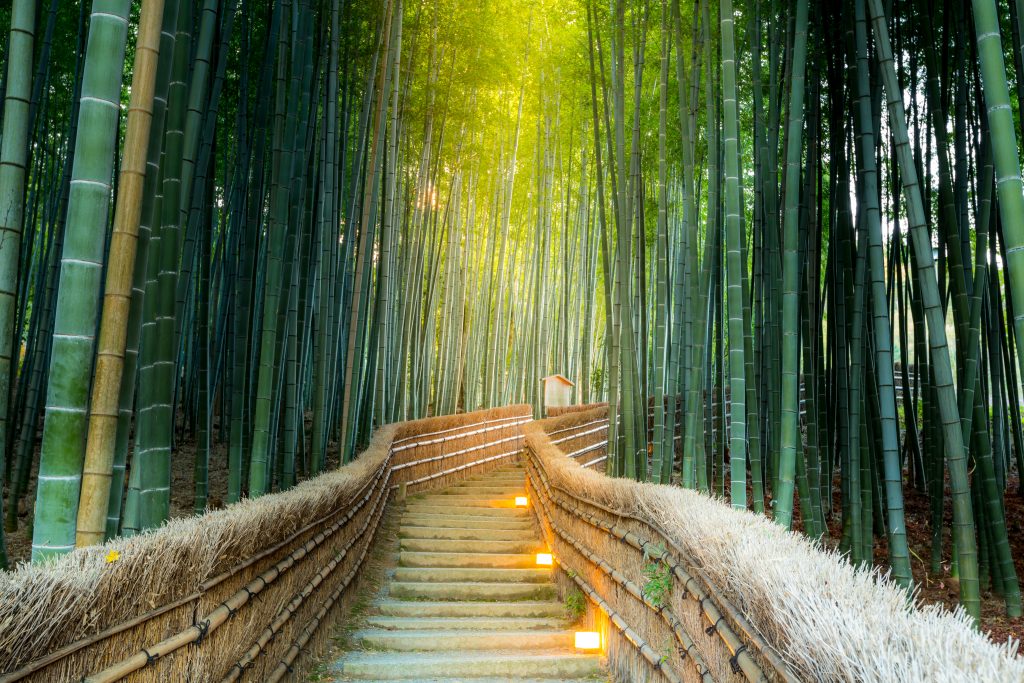
In Italia si è recepita l’importanza di questa pianta la cui coltivazione è perfetta sia per l’ambiente e l’economia che in ambito turistico.
La location in cui il bambù conquista l’attenzione dei turisti è innanzitutto il Labirinto della Masone a Fontanellato (Parma), il più grande labirinto esistente composto da circa 200.000 piante di bambù che si strutturano in un percorso di oltre 3 chilometri. In Italia le foreste, boschetti, oasi o giardini di bambù possono essere ammirati anche a Parco Segantini (Milano), al Bosco di Rovato (Brescia), a Villa Carlotta (Como), al Parco del Castello Mirandolo (Torino).
Nel sud Italia è sicuramente Borgo del Bambù, nel Cilento, l’unica location che utilizza il bambù in chiave turistica nella consapevolezza che questa pianta è un toccasana per il benessere personale. Al Borgo è possibile visitare il bambuseto e alloggiare in uno dei meravigliosi appartamenti della struttura che sono immersi nel verde.
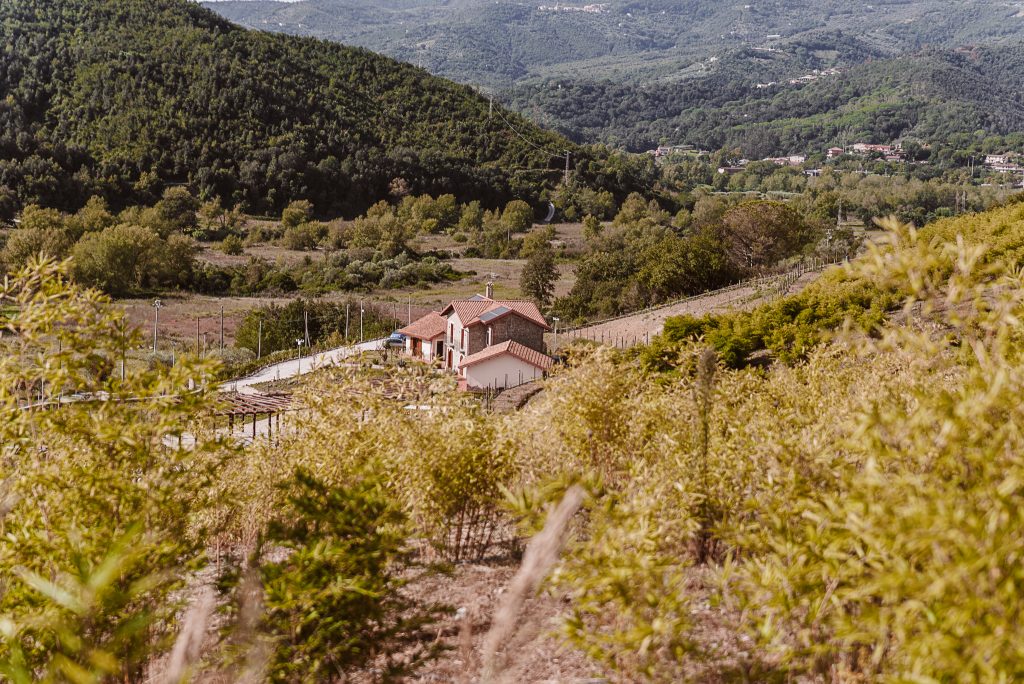
Borgo del Bambù è circondato da quasi 4 ettari di bambù gigante che cattura 68 tonnellate di CO2 all’anno.
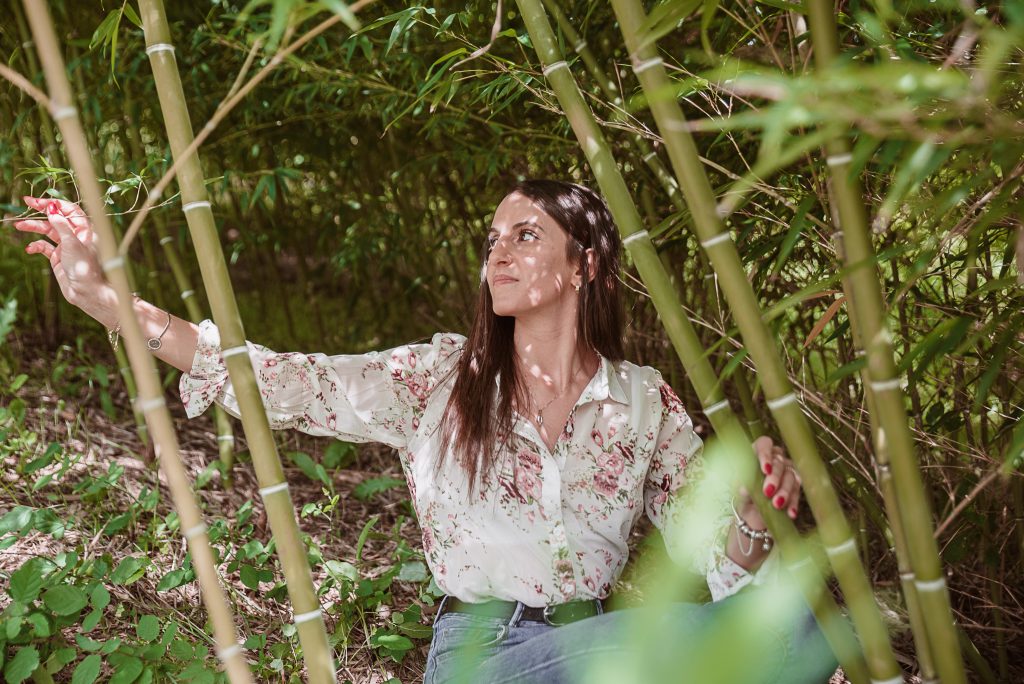
Il bambuseto è un’oasi di pace e relax, perfetto per ritemprarsi e rigenerarsi. Proprio per questa ragione il Bamboo Bathing Forest è il pacchetto benessere che rigenera i sensi.
Borgo del Bambù, inoltre, è proiettato in un investimento nel bambuseto affinché diventi centro di interesse dal punto di vista turistico ma anche economico, poiché il bambù coltivato al Borgo sarà sfruttato nell’ambito del food, dell’arredamento e del design.
Sectors in which bamboo is mostly used are:
Investing in bamboo is proving to be a winning choice for many companies. According to Mauro Lajo, the vice president of Forever Bambù, this plant can be a valid ally of the European Union in the fight against plastic pollution.
Furthermore, bamboo is a resource that can bring jobs and wealth to the countries where it is harvested or processed. The plant, after being cut, perishes immediately. For this reason, the transformation and manufacturing process must take place on site, thus bringing benefits to the local economy.
Furthermore, this plant does not need special care to grow and its cultivation improves the quality of groundwater.
In fact, bamboo can become a natural plant for phytoremediation.
The colours, dimensions and particularities of bamboo make it an element that can be used in tourism.
Above all abroad, bamboo is conceived as a tourist attraction. In fact, among the bamboo forests that most intrigue tourists we find: the Bamboo Forest of Arashiyama (or of Sagano) at Kyoto, Shunan Bamboo Forest in China, the Nanshan Zhuhai in China, the Grand National Bamboo Forest in China, theHokokuji Grove in Japan, the Penglipuran Bamboo Forestin Indonesia, and the Bambouseraie de Prafrance in France.
In Italy the importance of this plant has been understood, the cultivation of which is perfect both for the environment and the economy and for tourism.
The location where bamboo captures the attention of tourists is above all the Masone Labyrinth at Fontanellato (Parma), the largest existing labyrinth made up of about 200,000 bamboo plants that are structured along a path of over 3 kilometres. In Italy the forests, groves, oases or bamboo gardens can also be admired in Parco Segantini (Milano), at Bosco di Rovato (Brescia), at Villa Carlotta (Como), at the Parco del Castello Mirandolo (Torino).
In southern Italy it is definitely Borgo del Bambù,in Cilento, the only location that uses bamboo for tourism in the awareness that this plant is a panacea for personal well-being. At the Borgo it is possible to visit the bamboo grove and stay in one of the wonderful apartments of the structure which are surrounded by greenery.
Borgo del Bambù is surrounded by almost 4 hectares of giant bamboo which captures 68 tons of CO2 per year.
The bamboo forest it is an oasis of peace and relaxation, perfect for unwinding and regenerating. Precisely for this reason, the Bamboo Bathing Forest is the wellness package that regenerates the senses.
Borgo del Bambù, moreover, is projected to invest in the bamboo grove so that it will become a center of interest from a tourist point of view,but also economically, as the bamboo grown at the Borgo will be exploited in food,furniture and design .