
Il bambù (bamboo in inglese) identifica un gruppo di piante della famiglia delle graminacee.
La Bambusoideae (sottofamiglia dei bambù) conta circa 1400 specie, 100/101 generi e si divide in due gruppi: bambù legnosi (Bambuseae) e bambù erbacei (Olyreae).
In Italia il genere più diffuso e noto è il bambù gigante (Phyllostachys edulis) conosciuto anche come Moso.
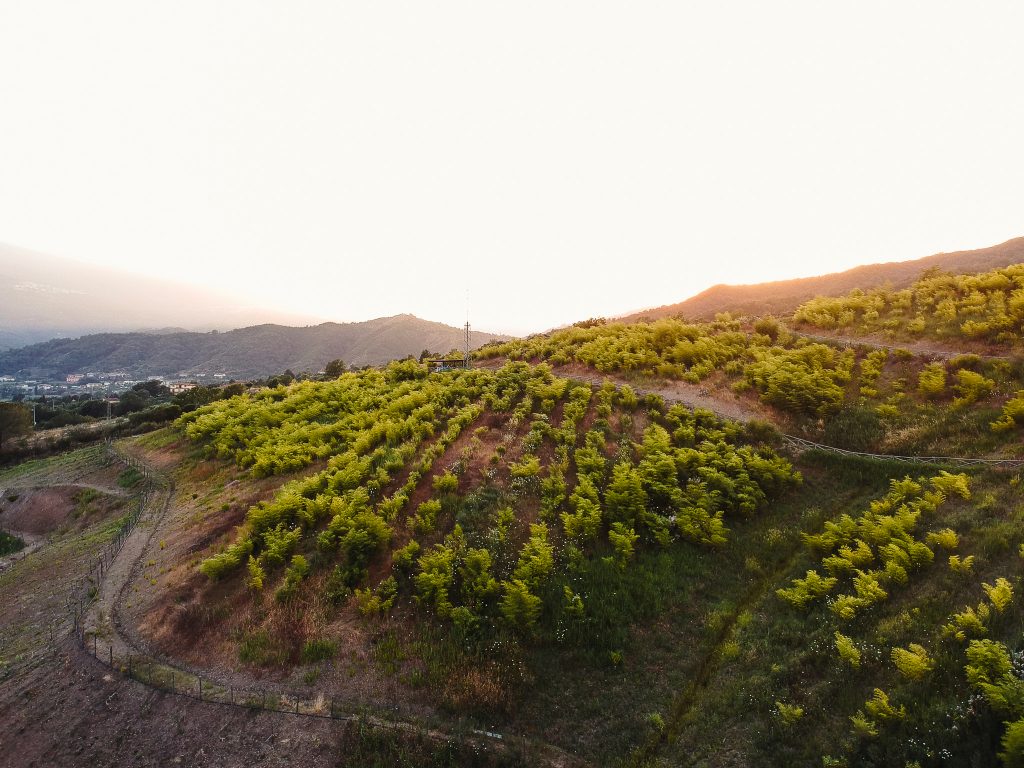
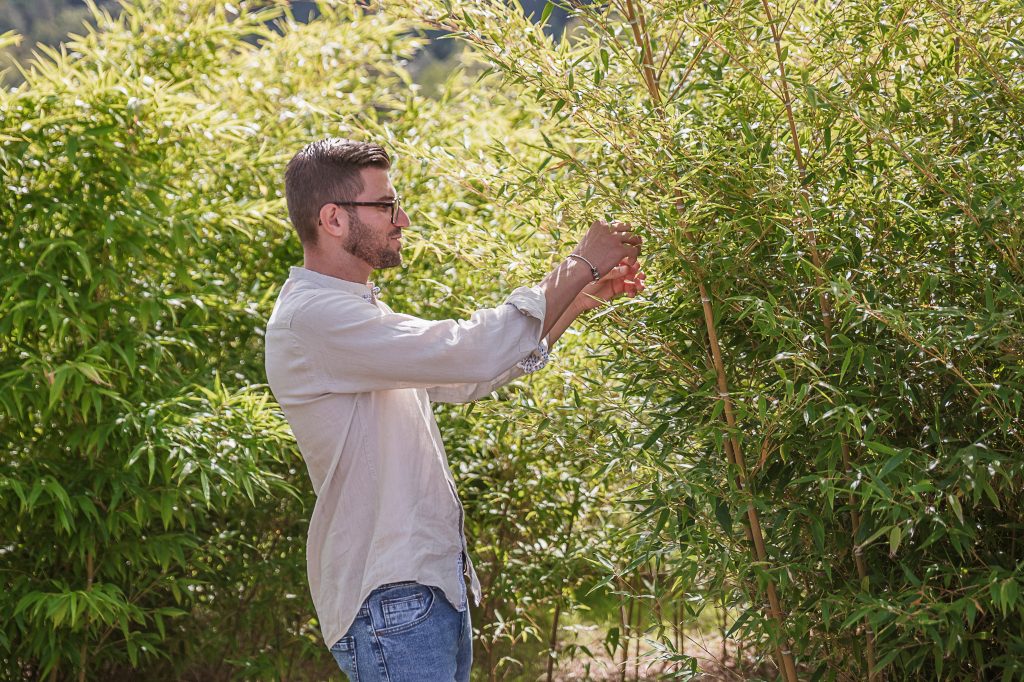
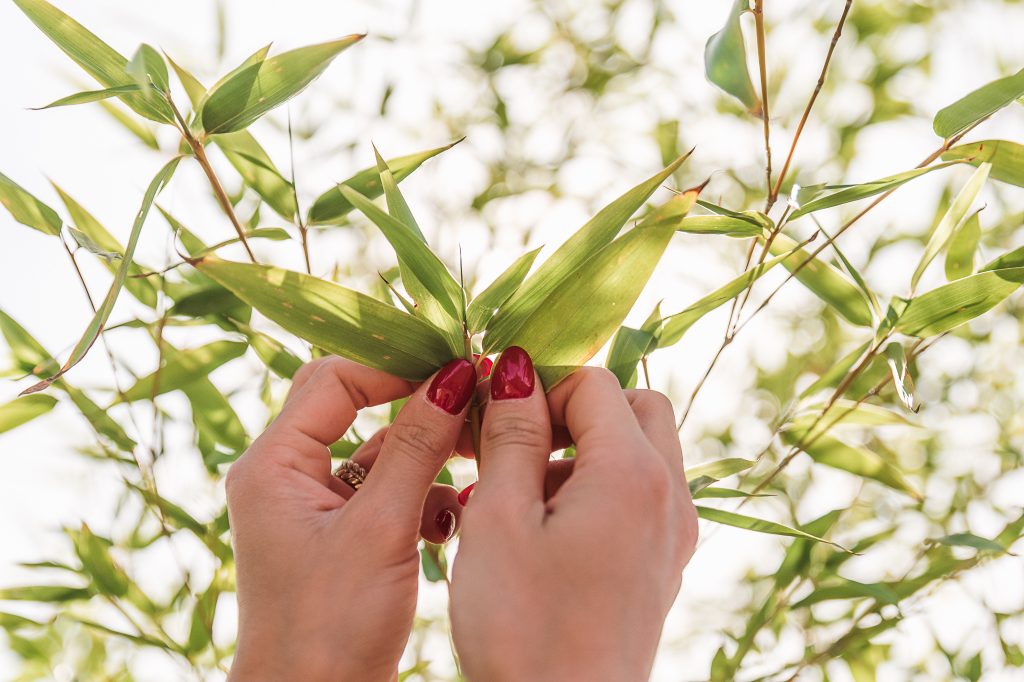
Le caratteristiche che destano maggiore curiosità rispetto al bambù sono la sua crescita e la fioritura.
Questa pianta, infatti, cresce velocemente, fino a 10 cm al giorno. Il Guiness, da questo punto di vista, è stato raggiunto in Giappone dove un campione di bambù ha raggiunto un metro di altezza in un solo giorno.
Rispetto alla fioritura, invece, il bambù è molto lento. Alcune specie di bambù fioriscono dopo 100 anni e, a volte, a causa dello stress provocato da questa azione, i bambù muoiono.
Questa pianta è versatile e utilizzata in molti settori e da tante aziende: nel food, nella moda, nel design, nell’arredamento e nei trattamenti di benessere mediante il bathing forest, ovvero il bagno di foresta.
Essendo una pianta naturale ed ecosostenibile può sostituire materiali inquinanti come la plastica.
h2: Dove scoprire una foresta di bambù gigante
A Borgo del Bambù è possibile ammirare una foresta di 4 ettari di bambù in cui osservare questa pianta, la sua crescita, la sua bellezza e le sue caratteristiche.
Lo staff del Borgo è sempre a disposizione per chiarire dubbi e svelare aneddoti inerenti questa pianta.
Al Borgo, inoltre, è previsto il pacchetto Benessere&Relax grazie al quale rigenerarsi mediante il Bathing Forest.
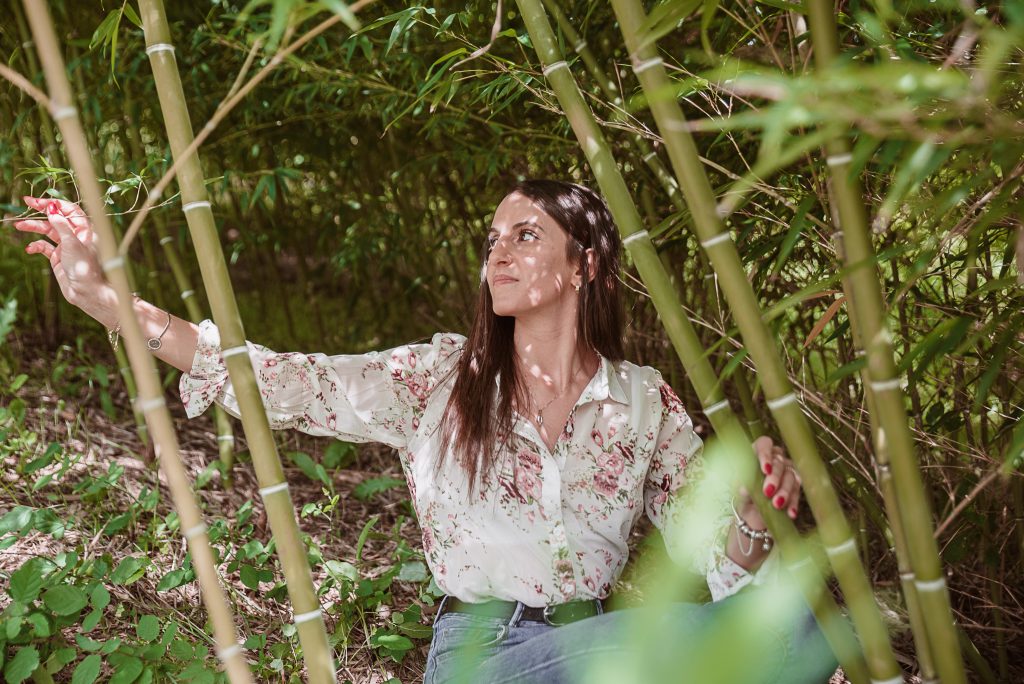
Un valore aggiunto è la possibilità di beneficiare di un servizio fotografico immerso nel bambù mediante il pacchetto Family Photoshoot.
The bamboo (bamboo in English) identifies a group of plants in the family of grasses.
The Bambusoideae (subfamily of bamboos) has about 1400 species, 100/101 genera and is divided into two groups: woody bamboos (Bambuseae) and herbaceous bamboos (Olyreae).
InItaly the most widespread and well-known genus is the giant bamboo (Phyllostachys edulis) also known as Moso.
The giant bamboo forest, also known as bambuseto, is a rapid and sustainable cultivation in which to admire the power of nature.
The characteristics that arouse most curiosity with respect to bambooare its growth and flowering.
This plant, in fact, grows quickly, up to 10 cm per day. Guiness, from this point of view, was reached in Japan where a sample of bamboo reached one meter in height in just one day.
Compared to flowering, however, bamboo is very slow. Some species of bamboo flower after 100 years and sometimes, due to the stress caused by this action, the bamboos die.
This plant is versatile and used in many sectors and by many companies: in food, fashion, design, furnishings and wellness treatments through the bathing forest.
Being a natural and eco-sustainable plant, it can replace polluting materials such as plastic.
Where to discover a giant bamboo forest
A Bamboo Villageyou can see a 4-hectare bamboo forest where you can observe this plant, its growth, beauty and characteristics.
The staff of the Borgo is always available to clarify doubts and reveal anecdotes concerning this plant.
At the Borgo, there is also the Wellness&Relaxthanks to which to regenerate through the Bathing Forest.
An added value is the opportunity to benefit from a photo shoot surrounded by bamboo through the Family Photoshoot package .